The myth about the origin of music: Rangsina Sarpo, one of the gods in Sining Asong, sent two brothers Singmirjeng and Longmirjeng to earth. Longbi and Chidu became their apprentices, and they were taught everything about music before Singmirjeng and Longmirjeng returned. The people learned about music from Longbi and Chidu.
In social gatherings, both the old songs and newer poetry songs are sung. But some of the old songs can only be sung on specific occasions.
Traditional singers, both male and female, known as Lunsepo and Lunsepi, undergo apprenticeship, learning from elder gurus. The female Charhepis also specialise in songs for the Chomangkan death ritual. In a unwritten culture, this oral tradition holds immense significance as it serves as a means of preserving the culture in its entirety.


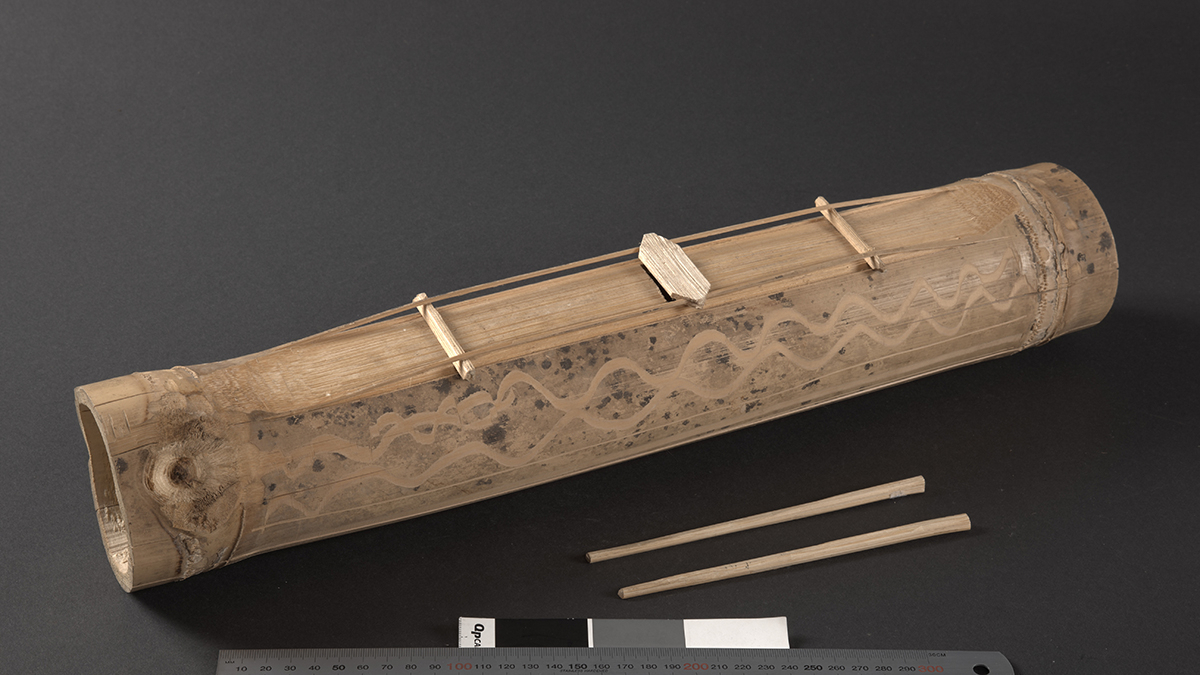
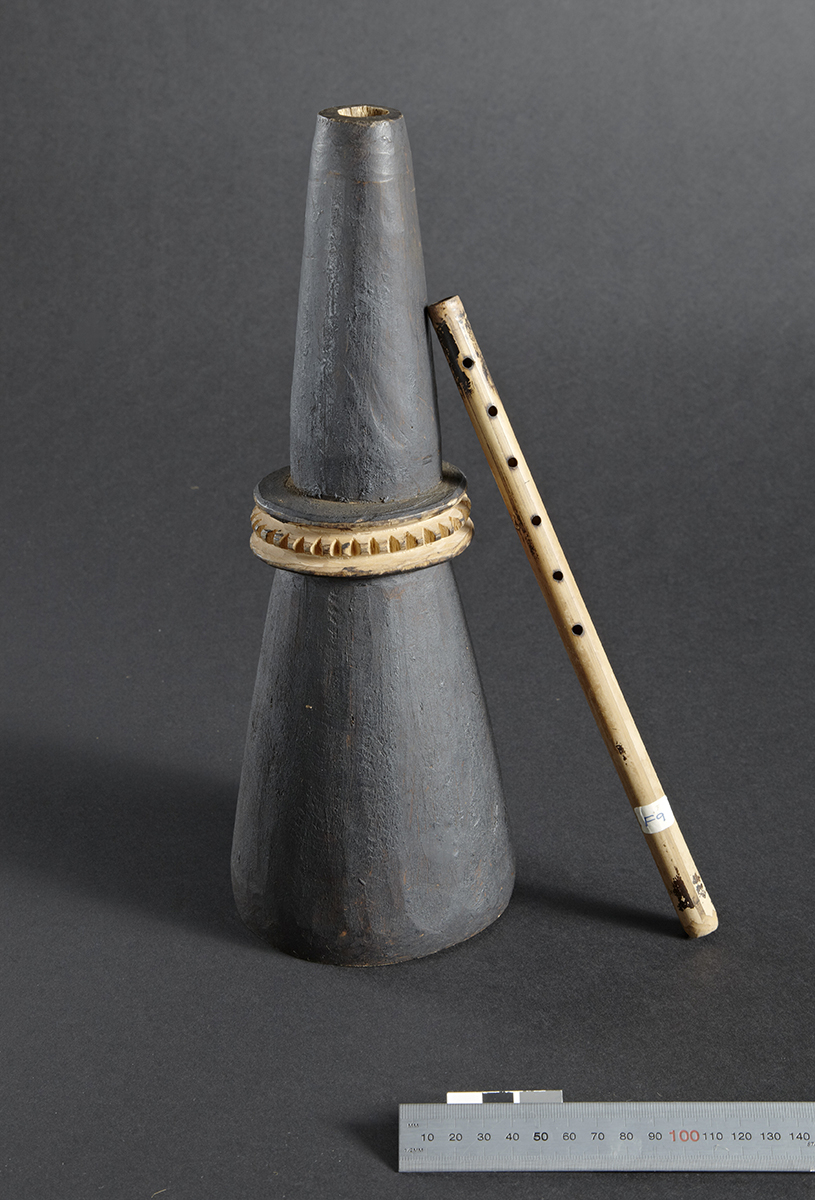
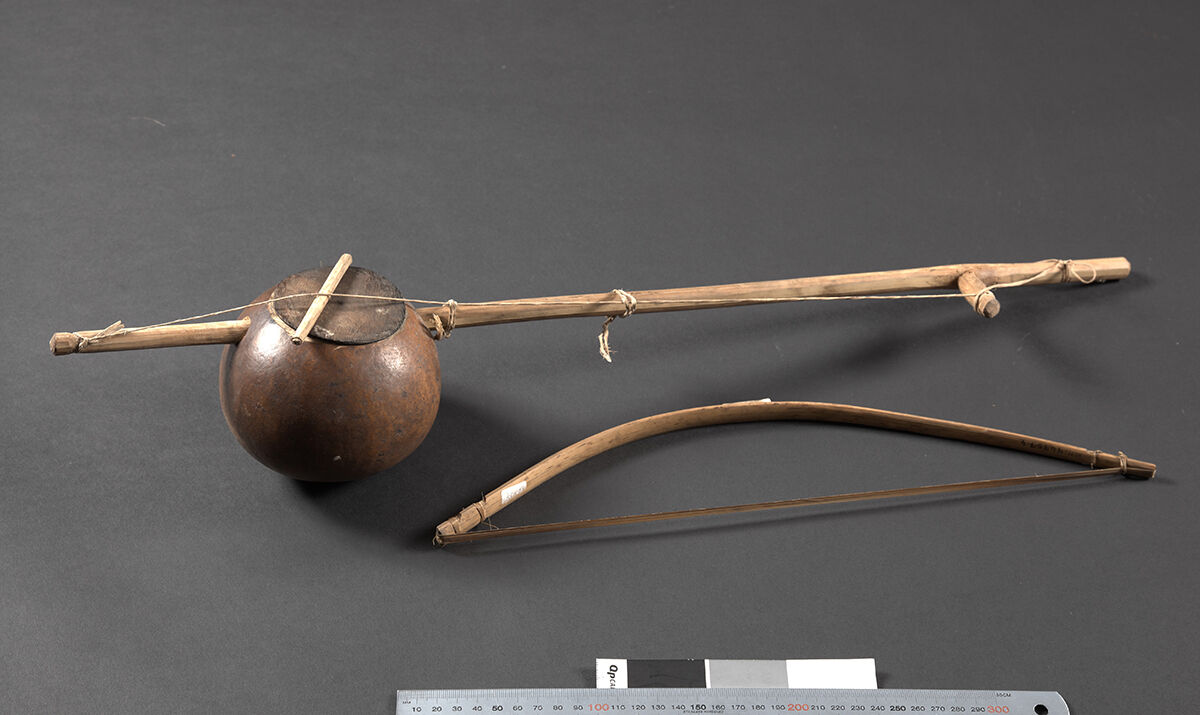
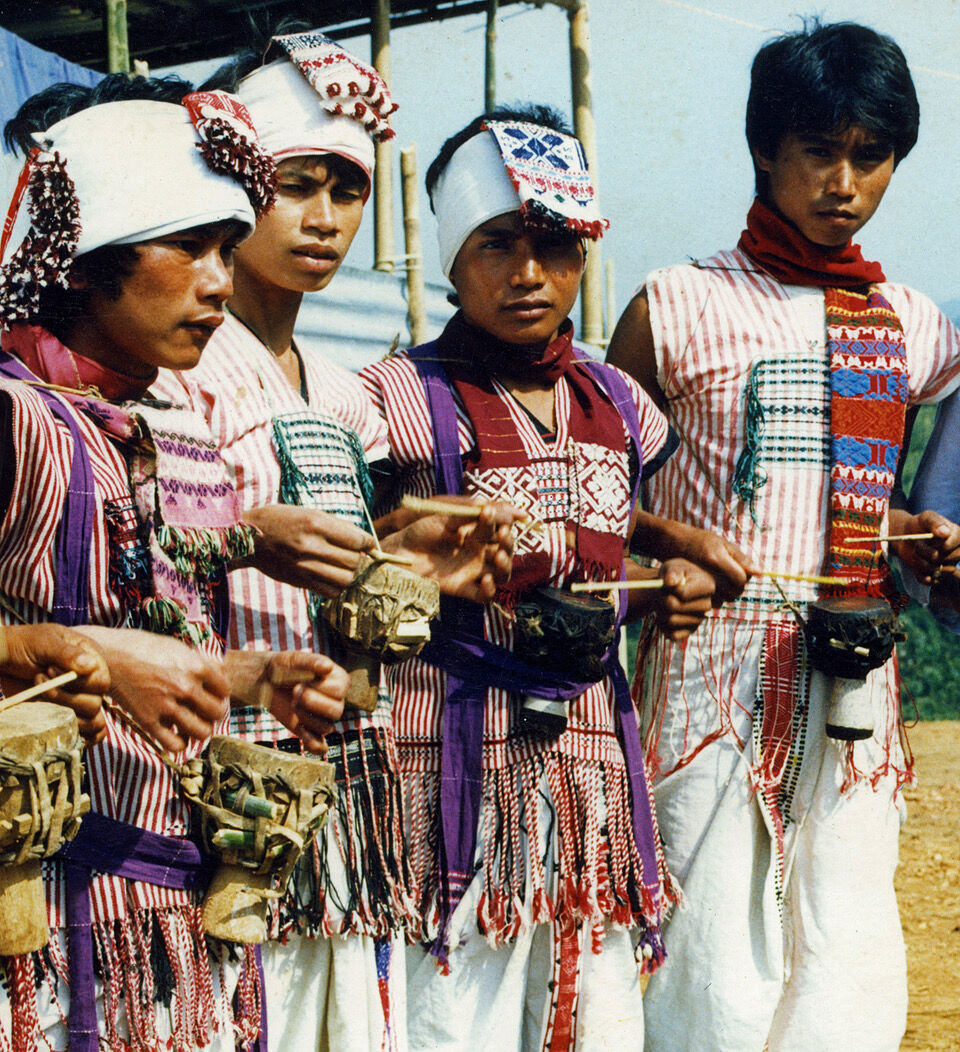
Musical instruments are basically made of local materials like bamboo, wood, bottle gourds, leather etc. The instruments are used for festivals, dance, and various social occasions.

The use of the small Chengso drum gives an impression of life in the local nature. The Karbi people practiced slash and burn agriculture deep in the semi-tropical forest. On the way to the fields, they played Chengso as a form of protection to warn other beings that they were coming. It is said that a Chengso never wants to be alone, they are always made in a pair, and two persons are always playing together. This makes it a signal, a habit to never go into the forest alone. Object no 46952.

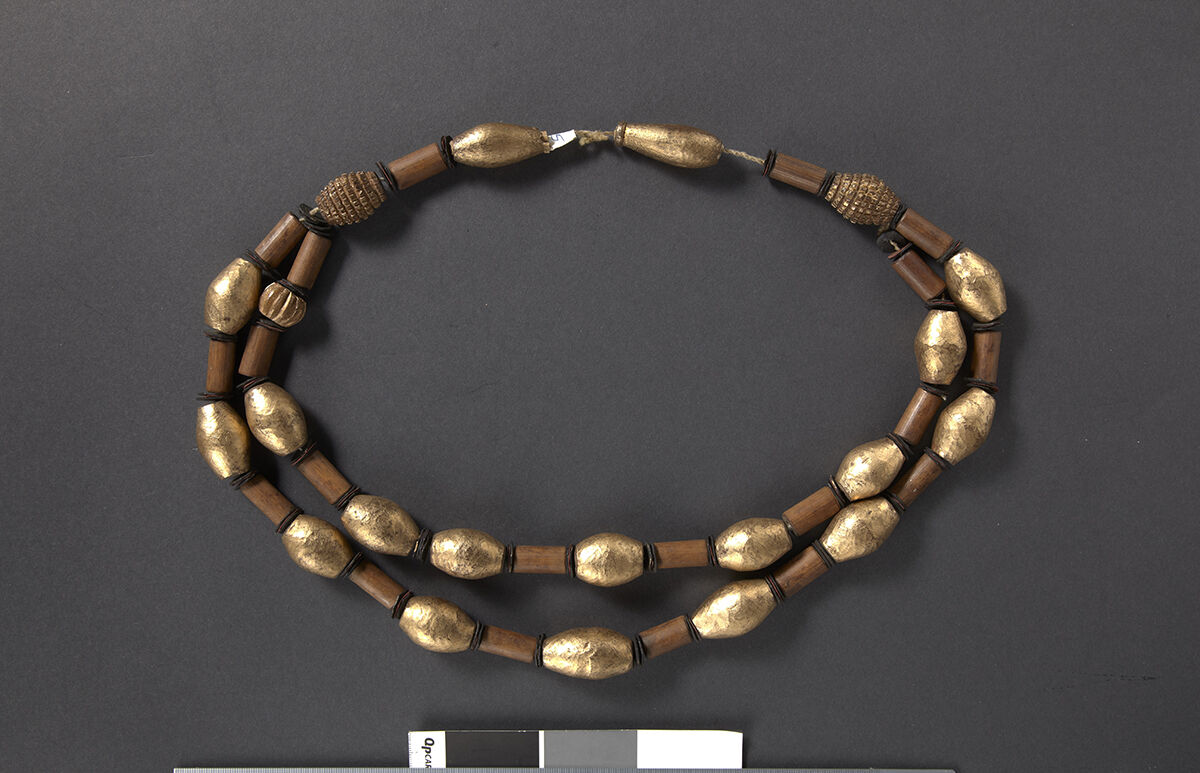
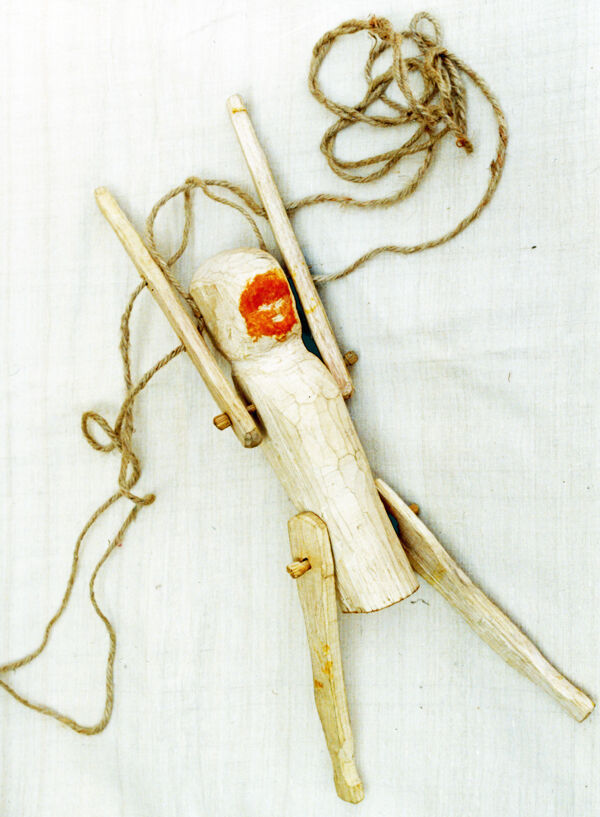
Sar`et Rongpi, Lindok of Rong`arak, Ronghang Rongbong has made Muritonpo No. 46953 and Kumlieng 46957 for the collection. He was a minister, Lindokpo, for culture in the governance kingdom system that was set aside during colonial times. West Karbi Anglong, Hamren district retained these positions, but without any other political, religious, and cultural power than purely local. There were several ‘ministerial positions’, and they lived together in their respective houses on the hilltop Ronghang Rongbong. Sar'et Rongpi had extensive knowledge of how to make the items for cultural practices like the necklaces, objects 46960, 46961 and for joy, as small toys; object 46950.

Sar`et Rongpi started to attend the Karbi Youth festival in 1992. With his way of communicating the Karbi culture, he was soon recognised and became very popular and respected by the younger generation. After his death, he has become an idol and symbol of the Karbi culture.