
Jewellery had to be ordered from the craftsmen, a local blacksmith or from outside. Bartering often occurred between the various cultures in the region, each with different skills and specialties. The Khasi and Jaintia in Meghalaya were known for their highly skilled silver and metal smiths, while Karbi women excelled at weaving. This bartering practice has ceased, and certain pieces of jewellery such as the large earrings worn by older women, Nothengpi, were no longer obtainable in the 1990s, only through inheritance.
In the 2020s, there has been a renewed interest in these older, more intricate pieces of jewellery, and they are again available in the market. The shape of Nothengpi has become a sort of a cultural symbol, and a new museum/exhibition hall has been designed in the form of a massive Nothengpi on a hill at the festival ground in Diphu.


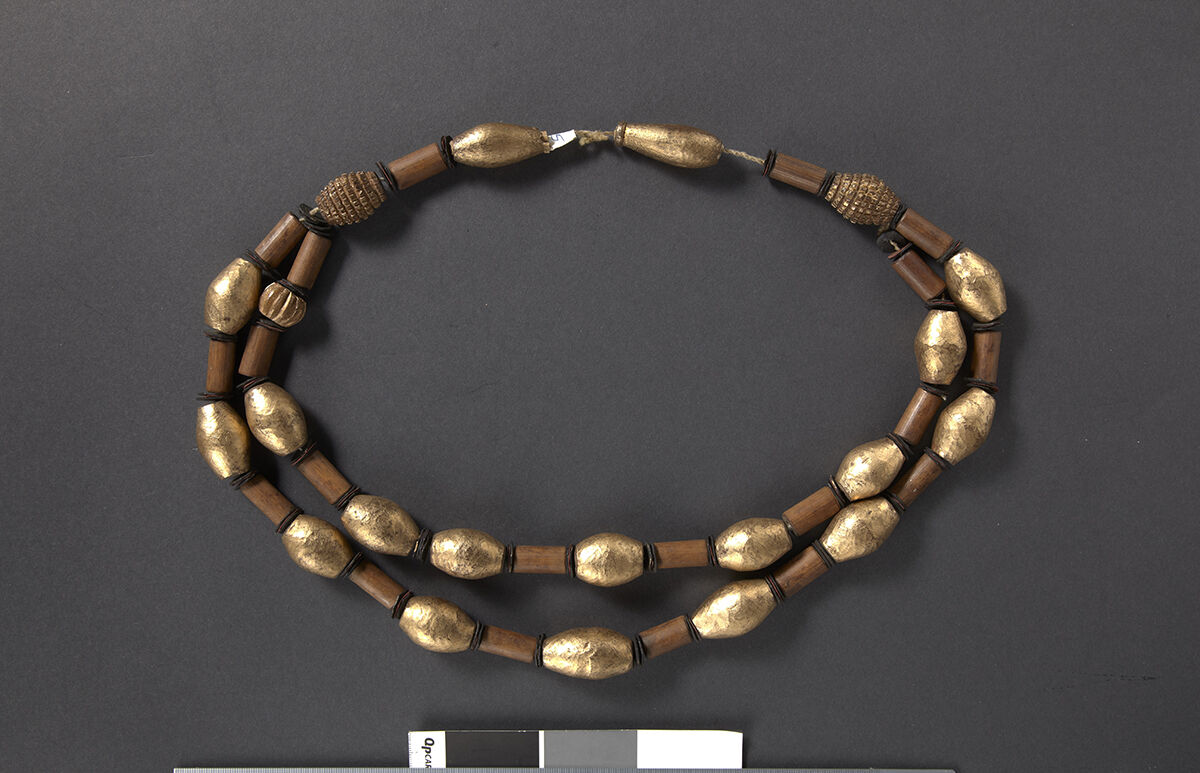
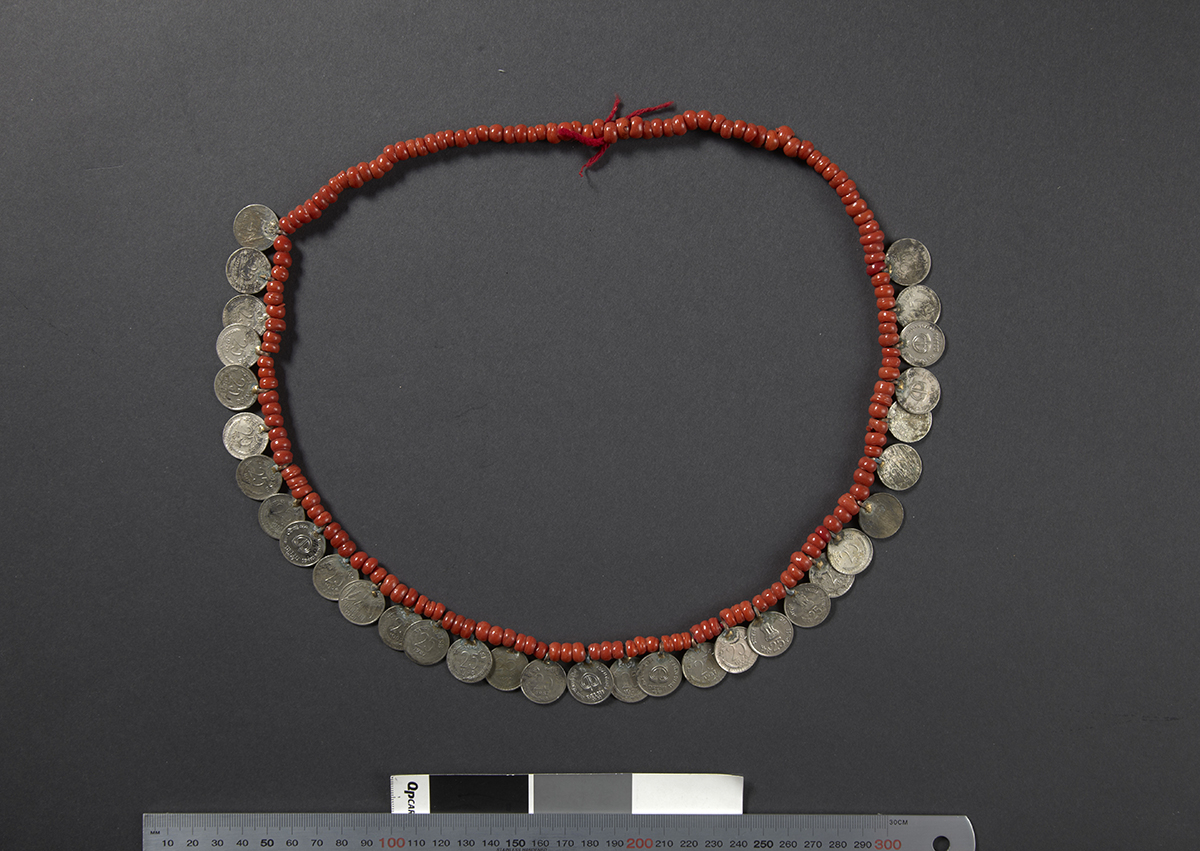
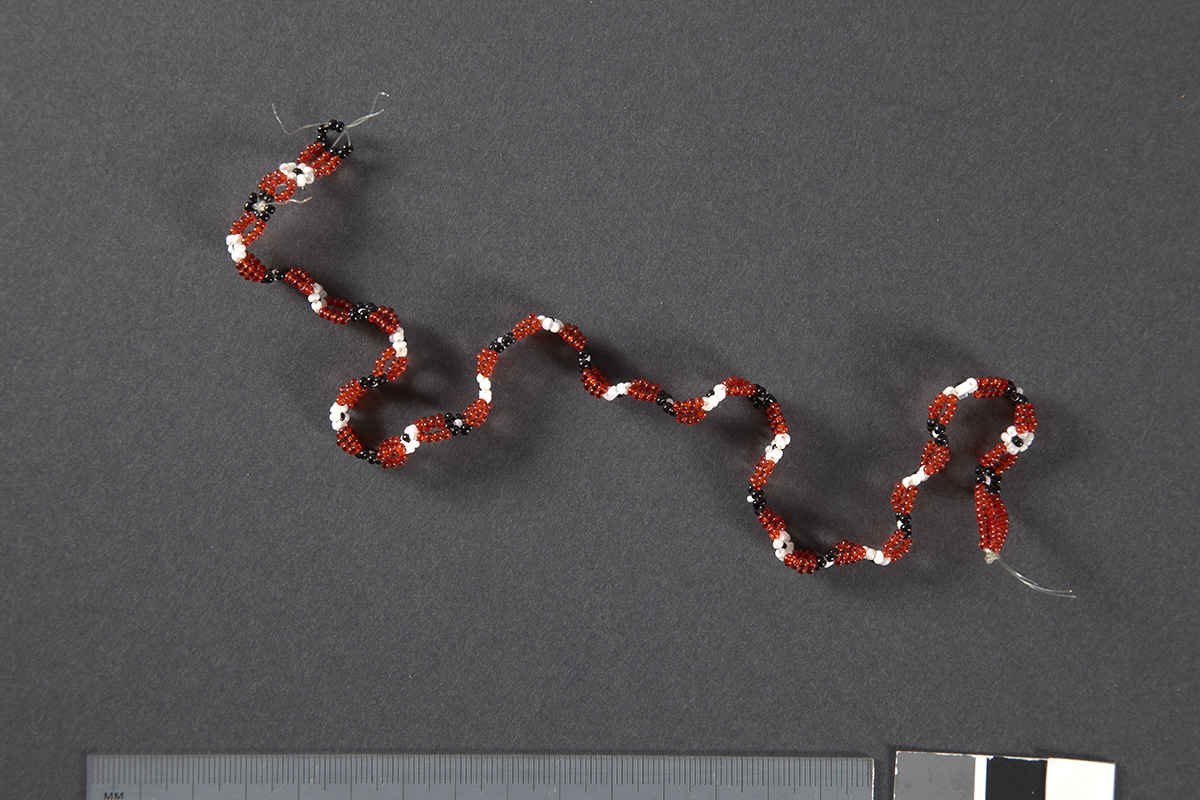
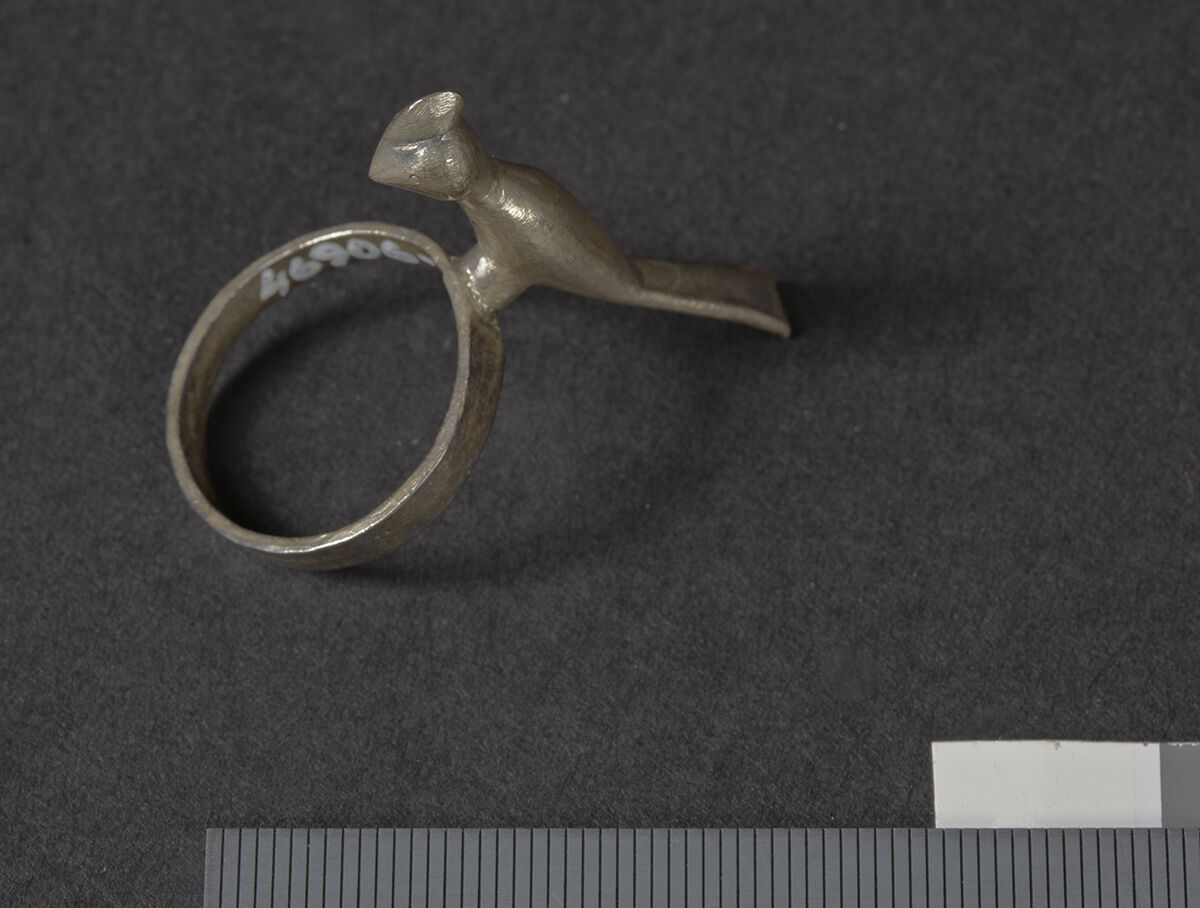
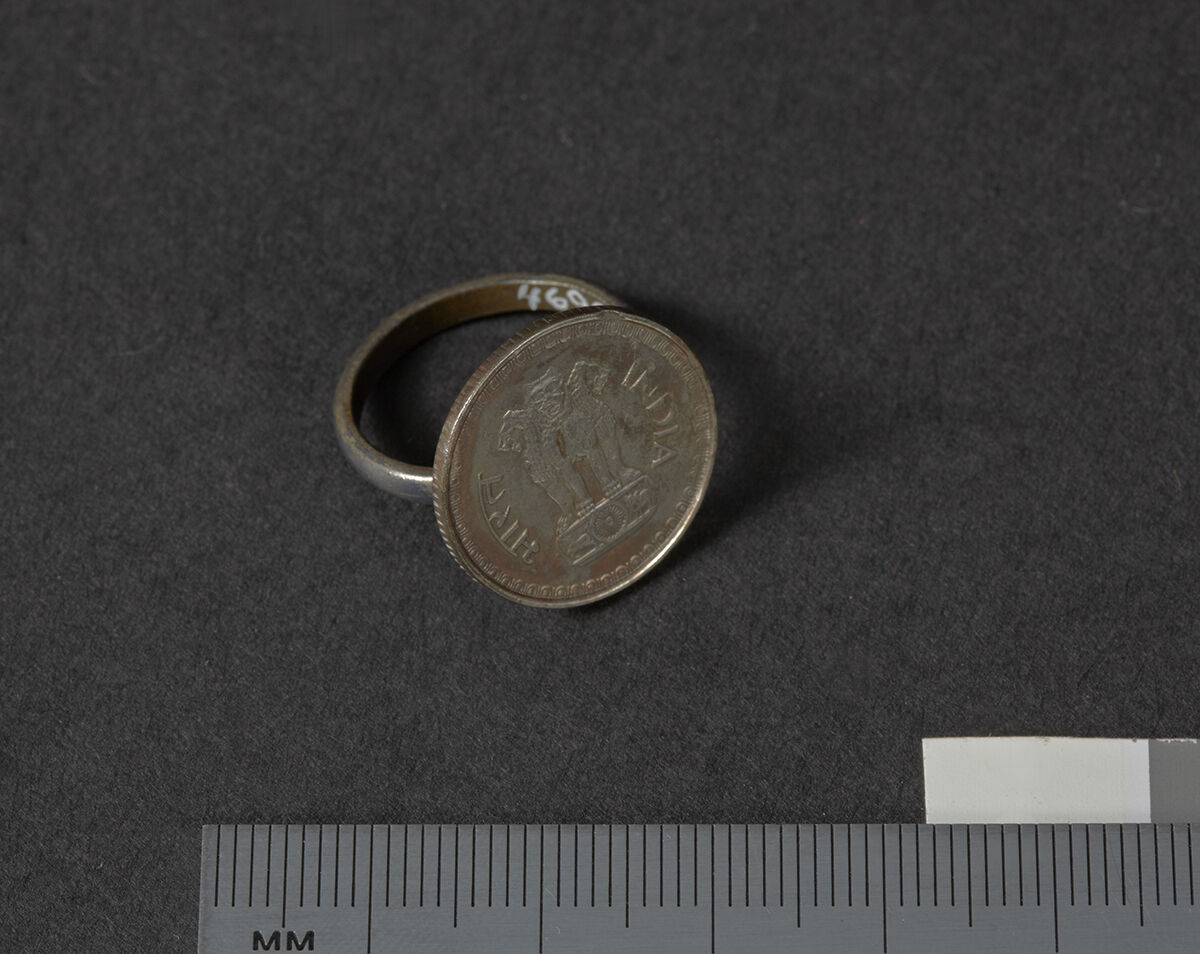
The ornaments in the collection were made like the ones the makers were using, they had to gather or make the required material and assemble them by themselves. See objects 46960, 46961 necklace with big gold-plated beads of wood, 46904: lek hiki, necklace with coins, 46905 lek vaikom, necklace with small beads and rings ordered from the village blacksmith 46906: a + b, 46907: a +b.

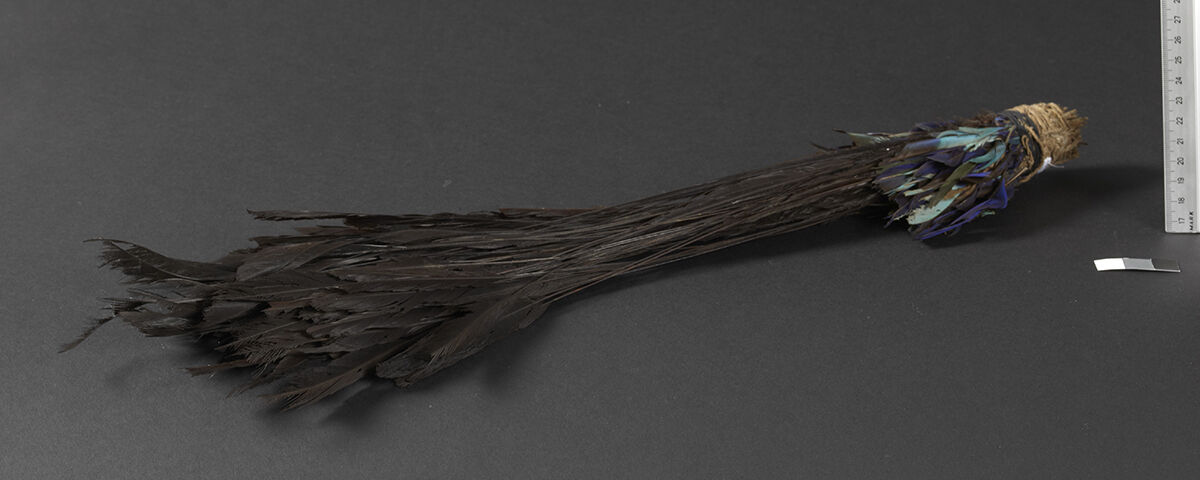
Two headdresses made of feathers from the Vojaru bird, Vojaruani, were gifted to the Museum of Cultural History by the two boys from Langlokso who had made them for ‘being preserved for eternity’. To make a vojaruani, one must find and collect the feathers in the forest. In recent years, Vojaru birds have become less common.
Vojaruani is used on special occasions like festivals and rituals like Chomangkan (Objects 46962).