Research groups
The research groups are solidly anchored in the the research strategy of the Museum of Cultural History. They are annually granted funds from the museum's Research Council, to promote collective activities that develop the subjects under study. Each research group have several projects that interact and contribute to a dynamic development of the work undertaken.
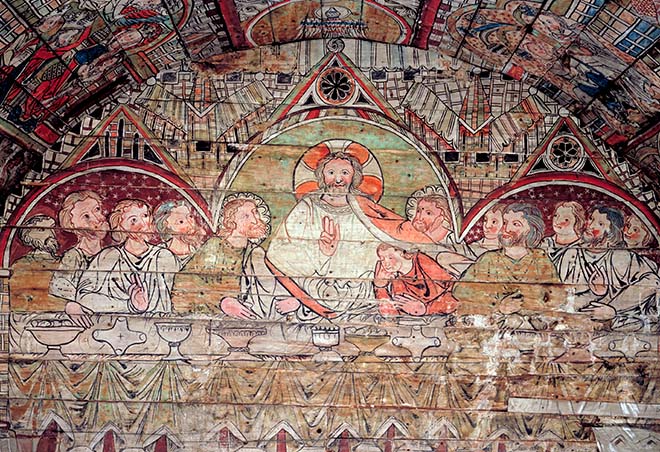
For more than 120 years, the painted barrel vault ceiling from Ål Stave Church (demolished in 1880) has been on permanent display in the Historical Museum. The vault, which is richly decorated with 23 painted scenes from both the New and Old Testament, was originally part of a fully decorated choir. Preserved wall boards have doomsday motifs and unidentified saints. With its well-conserved biblical scenes and sizeable dimensions, it is a unique monument from the latter part of the thirteenth century in Norway.

Rock art is an essential source to insights into how prehistoric communities in the Nordic region understood themselves in relation to their surroundings. As cultural heritage it is both spectacular and vulnerable.
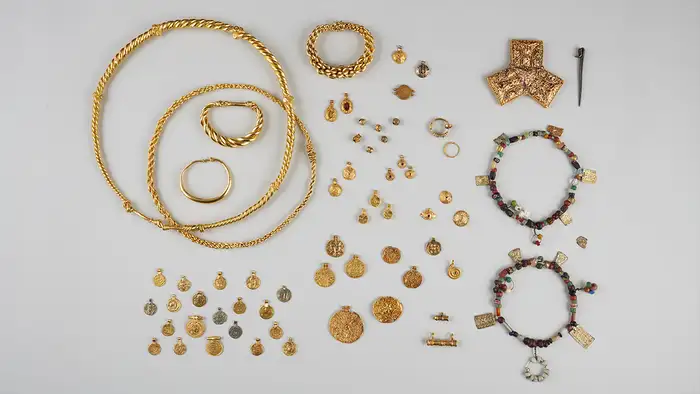
ViS constitutes one of Europe's largest Viking Age research communities. Our objective is to contribute to knowledge, insight and professionally based dissemination of the Viking Age based on studies of material culture, multidisciplinary collaboration and methodological development. The center currently houses specialists in material and visual culture, numismatics, ship engineering and law data.

Illicit cultural heritage artefacts are increasingly being trafficked and traded through international criminal networks. In the Nordic countries, we are seeing an increasingly serious threat to protected cultural heritage property. Prevention of cultural heritage crime requires collaboration between researchers, museums, government institutions, state administration and international NGOs.
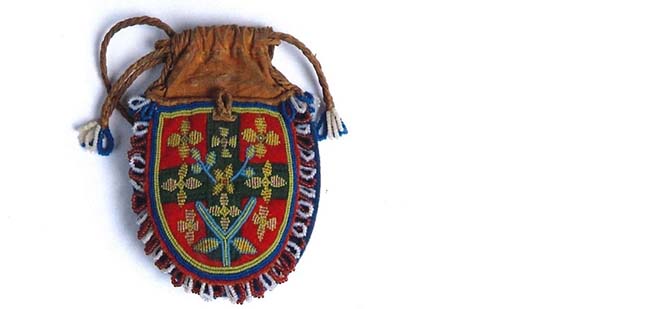
How do objects, places, spaces or practices get a place in ‘the global museum’? This project seeks to take advantage of what we as a museum already know and do; as the entire academic staff of the Museum of Cultural History in various ways engages in heritage making; as advisors to the Directorate of Cultural Management, as archaeologists, as keepers of collections, as conservators, as curators, exhibition designers, as storage administrators, or as anthropologists.
To discover our strengths, the Housing Heritage research group suggests a joint comparative exploration of what such ‘makings’ of cultural heritage, world heritage, museum objects and archaeological objects have in common.
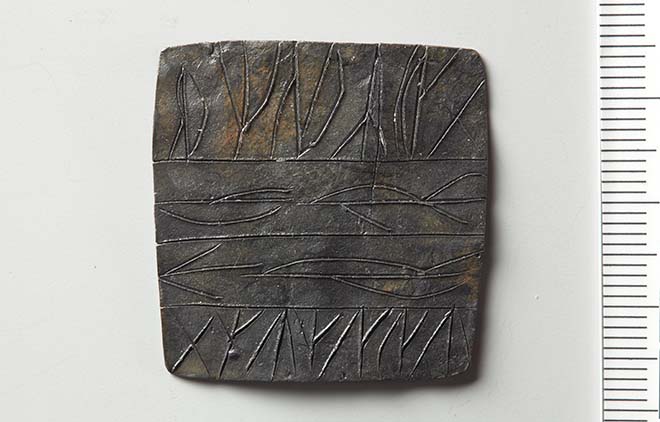
This research group explores and assesses newer ways of analyzing and documenting as well as disseminating data on inscriptions that are preserved on different types of object. The work is anchored in a multidisciplinary understanding of inscriptions and objects. Inscriptions and script-bearing artefacts are meaningful cultural-historical resources where writing, visual imagery and things of diverse material qualities interact. Their interrelated features provide for stimulating research opportunities while also requiring different solutions for public outreach.
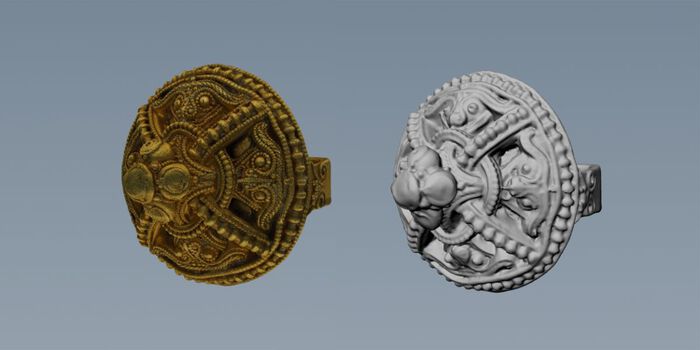
3D models are revolutionary data which expand our capacity to perceive information and to test new and innovative research methodologies.

This research group study coin and money history in the Viking Age and the Middle Ages.
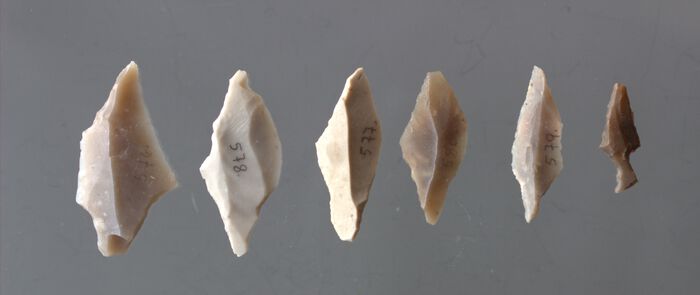
What role does technology play in society beyond the purely practical? What is the relationship between technology's practical and social significance? How and why does technology spread, and how does it affect social development and relationships between people? And how do social conditions and relationships affect the development of technology?

PAST is a research group that conducts interdisciplinary research into why people perceive and relate to the past as they do.

Our aim is to recover artifacts revealed by the melting mountain ice in Innlandet County and to carry out scientific research on these locations and discoveries.
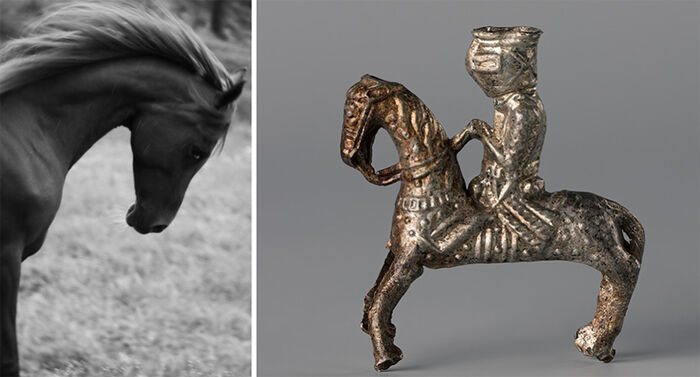
The research group The Horse brings together and disseminates knowledge from the humanities, natural sciences, and the equine industry. By bridging these diverse fields, the Horse aims to stimulate interdisciplinary research and foster the development of comprehensive, in-depth understanding within this dynamic area of study.