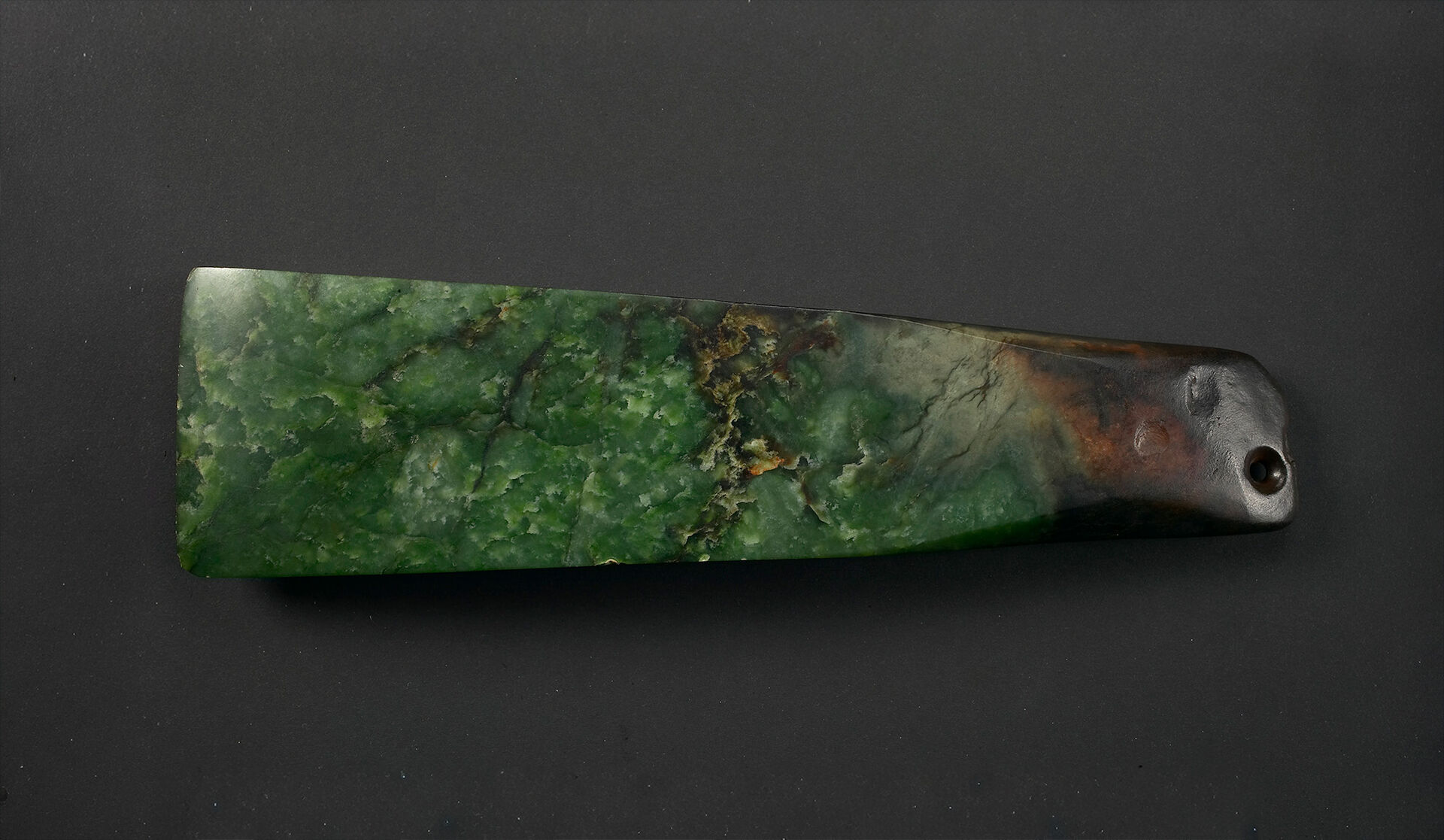
The long journey of these objects from Oceania to Norway began in the 19th century with the British merchant ship The Providence under Captain Herd.
This journey begins with the British merchant ship, The Providence and Captain Herd. In 1822, The Providence, with Captain Herd and his crew, docked somewhere on the Hokianga river in northwest New Zealand. Their purpose was to procure as much timber as possible, for Hokianga was said to be exceptionally rich in this resource. There is no documentation explaining how the timber came into British possession. Yet, it is documented that the local Maori-people received a great number of weapons in return for their help in loading The Providence full of these timbers. In addition, it is also documented that some form of gift exchange happened between the Maori and the British. It is during these exchanges that some of the objects in the Ring collection was also obtained by the British. In what manner these were obtained, is not documented.
Nonetheless, the objects were on board The Providence, and made the long journey from New Zealand across the Pacific Ocean to Chile. It is also possible that the ship, on its way to Chile, docked either in the Cook Island or French Polynesia, where the other objects may have been obtained.
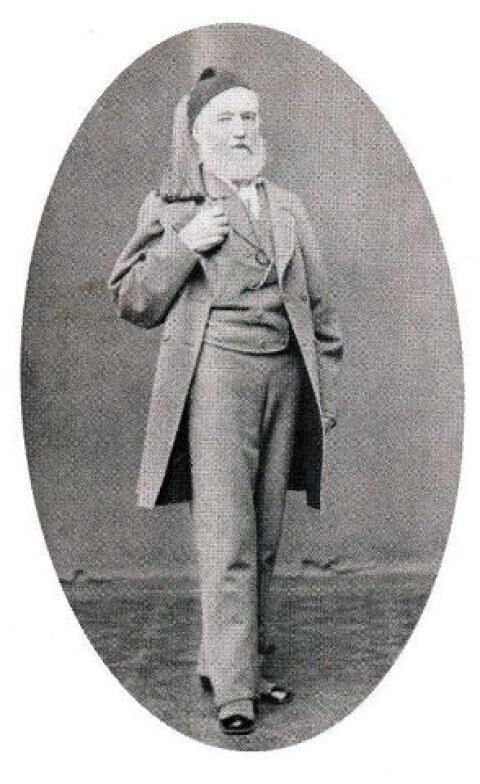
A year after The Providence had docked in Hokianga, New Zealand, she was in the popular merchant town of Valparaiso in Chile. This was also the same time that Norwegian merchant Fredrik Ring had established himself as a merchant in the same town. Through Fredrik Ring’s own account book we can learn that he had purchased “a number of objects from New Zealand, which he paid 100 and 50 pesos for, respectively”. Which specific objects, and whether they all actually derived from New Zealand, is not stated anywhere.
The objects remained in Ring's possession until he donated them to the University of Oslo in 1833. The Ethnographic Museum was not created for another 24 years. The organization and how the objects were catalogued can tell us much about what they knew or did not know about these objects, and perhaps even what information they considered important enough to write down. Most of these catalogue cards provide short descriptions of the objects, possible place of origin and the year they were acquired.


The scarce information about these objects was certainly a challenge when working on revising the object information. Which details are essential, and how should they best be conveyed? Due to the lack of proper documentation, the majority of the information about these objects are based on secondary sources – other scholars’ interpretation of similar or identical objects. The amount of information that was possible to track down about these objects also varied quite a bit, which is why the texts vary from being a couple of sentences to longer paragraphs.
Nonetheless, the aim with these digital portals is to make the objects in the museums’ collection more available to anyone with an interest. It is also the aim for this portal to function as a platform for further collaboration with source communities and with other museums.