Tidlegare arrangement
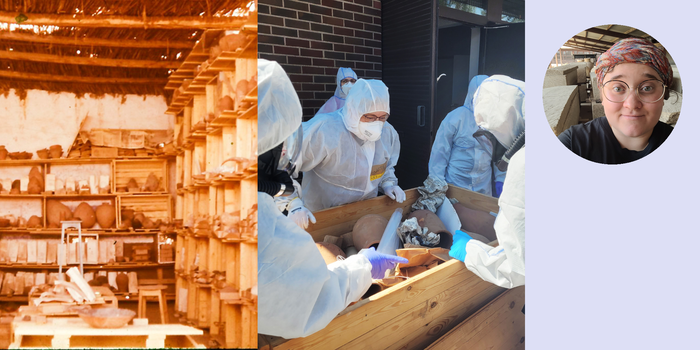
In 1961, Norway, Finland, Sweden and Denmark began a historic, joint archaeological project in Lower Nubia just south of the Sudanese-Egyptian border. The Scandinavian Joint Expedition to Sudanese Nubia (SJE) conducted well-documented excavation and survey work in their concession area until 1964 as part of UNESCO’s rescue mission before the completion of the Aswan High Dam.

This talk explores Labelling Matters, a project at the Pitt Rivers Museum that critically re-examines the language, authority, and narratives embedded in museum displays.

Italy had more cities than any other region in the early medieval West, and these cities were the locus of authority, prestige, and commerce. How did urban food cultivation contribute to reshaping city environments and hierarchies of influence? Welcome to a SENKU Seminar about urban gardening in Early Medieval Italy with Professor Caroline Goodson at the University of Cambridge.
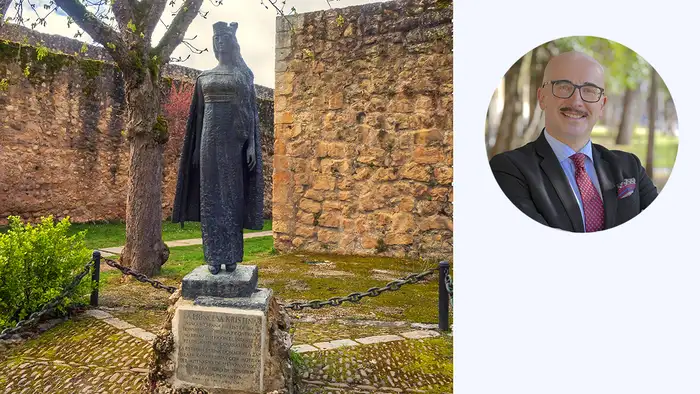
Princess Kristin Håkonsdatter was a 13th-century Norwegian princess who married into the Castilian royal family and remains a celebrated historical figure and a link between Norwegian and Spanish heritage. Professor Michele Curnis of Universidad Carlos III de Madrid will give a lecture on Princess Kristin Håkonsdatter, drawing on Castilian primary sources.

Emotions shape how we create, experience, and interpret art, yet their historical dimensions remain understudied. In this presentation, Dr Atena Ungureanu introduces the MSCA-funded project EMOTIA – Emotional Markers Of Text and Iconography in Art – which investigates how emotions are embedded in ancient artefacts such as Egyptian coffins and papyri, and how they continue to affect audiences today.
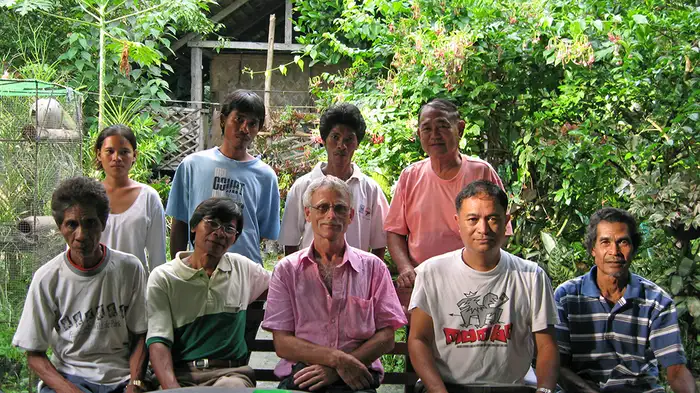
Hvordan kan årstidsritualer i en filippinsk regnskog belyse forholdet mellom lokalsamfunn og kolonihistorie? I dette seminaret presenterer Arne Røkkum sin nye bok om tagbanwa-folkets rituelle praksiser og ordenes magi i møtet mellom religiøse og historiske tradisjoner.

In this talk, Associate Professor Florent Audy shows how a contextual approach—tracing coins through production, use, deposition, retrieval and collection—reveals their multifaceted meanings and shifts focus from objects to the people who produced, exchanged and valued them.

Centering on Mayan water beings within a wider global comparison, this lecture examines how aquatic deities link cosmology, ecology, and human agency. It argues that such figures offer powerful narratives for reimagining more reciprocal and sustainable human-non-human relations.

The Giovanni Poleni Museum of the University of Padua in Italy was radically renovated and reopened in September 2021. The new exhibition aims at shedding light on the way physicists have been working, as well as on the connections that were set in the last centuries between physics and other disciplines, such as art, architecture, medicine or psychology.

ERC-prosjektet MARGO forsker på hvordan mennesker i Øst- og Sørøst-Asia former og formes av troen på populære sjø- og elvegudinner. Hør professor Rots fortelle hvordan prosjektet har som mål om å utvikle nye begreper og tverrfaglige metoder for å forstå hvordan ritualer, guddommelighet og miljøendringer henger sammen i hverdagslivene til milliarder av mennesker.

Helt siden grunnleggelsen av Konstantinopel i år 330 til det siste slaget mot osmanerne i 1453, var Bysants et sentrum for makt, kultur, religion og handel. I dette foredraget gir Christine Amadou et utdrag av boken Bysantinerne – den lange historien. Bli med på en reise gjennom imperiets mangfoldige historie, med vekt på menneskene som befolket riket, arkitektoniske mesterverk og den rike arven som lever videre i dag.
Denne presentasjonen tar utgangspunkt i Interkulturelt museums systematiske arbeid med medvirkning som faglig metode og samfunnspraksis. Gjennom samarbeid med lokale miljøer, ungdomsgrupper, kunstnere, frivillige organisasjoner nettverk, har museet utviklet inkluderende prosesser der publikum ikke bare er mottakere, men aktive medprodusenter av kunnskap, fortellinger og utstillinger.

Da Jakob Giertsen, erkebiskop av Lund, døde i 1410 etterlot han seg et testamente hvor en Mariaskulptur i byens katedral var oppført som en av arvingene. Hva innebar dette ønsket, og hva forteller det oss om menneskers forhold til helgenskulpturer i middelalderen? Og i mye videre forstand, hvordan rimer Jacob sitt testamentariske ønske med praksiser rundt kultbilder uavhengig av tid og sted?

I forberedelse til Samenes nasjonaldag, 6.februar, inviterer vi til SENKU seminar med Harald Gaski. Harald Gaski er fra Deatnu i Finnmark og er tidligere professor i samisk litteratur og kultur ved UiT Norges arktiske universitet og Sámi allaskuvla/ Samisk høgskole i Guovdageaidnu. I foredraget deler Gaski sine refleksjoner rundt samisk åndelighet og tilknytningen til landet i et perspektiv inspirert av ideen om å gjøre ting på egne betingelser.

In this paper, Professor Anne Katrine de Hemmer Gudme discusses how the Hebrew Bible depicts Yahweh’s sanctuary as filled with luxurious, exotic aromas. This scented symbolism conveys Yahweh’s position as supreme king and masculine authority while signifying divine presence and being.

The Museum of Cultural History in Oslo holds an important collection of forty-one Sinhālese dance masks. In this talk Dumith Kulasekara will introduce the historical context of their acquisition in 1887.

Årets juleseminar er en entusiastisk og åpen samtale om hvordan fagene arkeologi og antropologi kan ha glede av hverandre. Iver B. Neumann har i en årrekke vært professor II på museets arkeologiske seksjon. Han har selv doktorgrader i både antropologi og statsvitenskap. Neumann samtaler med arkeologene Svein Gullbekk og Anne Lene Melheim, og publikum forøvrig. Seminaret avsluttes med julevin.
Join us for an insightful seminar with Dr. Gareth Williams from the research group "Money and its use in the Middle Ages," as he delves into the phenomenon of Viking camps. This talk will explore the multifaceted economic activities within these camps, shedding light on their role in the transition from rural to urban societies in Scandinavia and beyond.


Join us to hear Professor Haidy Geismar’s compelling account of the future of Hinemihi, a Māori meeting house (whare) in the gardens of Clandon park, Surrey. A story about the dual imaginary of a new mansion house and a new meeting house, the past in the present, material change, statutory consents and culture wars.

Join us for this collaborative presentation by Nadine Panayot and Lucy Semaan, on coastal and marine heritage in Lebanon. Panayot will speak on the UNESCO inscription of the site of Anfeh in North Lebanon.This presentation highlights an interdisciplinary project centered on the site of Anfeh in North Lebanon. Semaan will introduce diversity and maritime cultural heritage across the Lebanese coast, and a holistic approach to conservation.

Join us for this presentation from our Museum of Science and University History's, Klingvall and Wittje, sharing their experiences with three exhibition projects in the Department of Physics.

Join us as Professor Eamonn Carrabine from the University of Essex presents his compelling talk, “Dark Tourism and the Museum Effect.” This discussion will delve into how museum environments shape the increasingly popular dark tourism experience and influence visitor interactions with representations of historical atrocities and human suffering.

Join us for this talk where Noé Conejo explores funerary practices involving coins in Late Antique and Early Medieval northern Italy, highlighting evolving rituals and regional variations reflecting the era's complex socio-political and religious shifts.

You are invited to an exclusive film screening of Returning Life. This captivating documentary follows Peter's journey down Mount Kilimanjaro to Kenya as he and a group of Chagga and Kamba-speaking elders perform a rain ritual in honor of their ancestor Horombo. Witness the crossing of linguistic, ethnic, and international boundaries and join the filmmakers for an open discussion on the film's form and content before its official release.